
CHC52021 Diploma of Community Services for Domestic Students
A Path to Impactful Social Change Diploma of Community Services (Case Management)Course Overview
The Diploma of Community Services (CHC52021) at WMIT is a nationally recognised AQF Level 5 qualification designed for domestic students seeking to build a career in the community services sector. This course prepares you to deliver, manage, and coordinate person-centred support services across a range of community and welfare settings. Delivered in blended mode, combining online learning with face-to-face sessions and supported by weekly trainer support, the course provides a flexible way to develop practical, job-ready skills around your work and personal commitments.
Across 15 units (12 core + 3 electives), you will develop practical skills in case management, crisis response, domestic and family violence, working with diverse people, Aboriginal and/or Torres Strait Islander cultural safety, and legal and ethical compliance. The 6-month timetable* provides an accelerated pathway to qualification and employment, and includes a minimum of 200 hours of supervised work placement, with placement assistance available to help you gain valuable industry experience.
Graduates of the Diploma of Community Services can pursue career opportunities in a range of community and support services roles, including Case Worker, Community Services Worker, Family Support Worker, Early Intervention Worker, and Welfare Worker. The qualification can also provide a pathway to further study, including the Advanced Diploma of Community Sector Management.
*Duration may vary depending on your study load, prior experience, and placement arrangements.
Program Overview
Entry Requirements
- Eligibility: Available for Australian citizens, permanent residents and eligible visa holders who are allowed to study in Australia for more than three months. International students on a Student visa are not eligible for this domestic online option:
- 100 points of ID – for example, Passport, Australian Driver Licence, Medicare Card, Birth Certificate, Proof of Age Card, etc.
- Proof of Australian citizenship, permanent residency or eligible visa status USI – Unique Student Identifier
- Proof of current residential address
- Completed enrolment form
- Any required previous qualification or academic evidence
- Any additional documents required for placement or course entry
- English language evidence, if applicable
Career Pathways & Education Pathways
- Once you have successfully completed the CHC52021 Diploma of Community Services you can apply for jobs within the Community Services Sector, which may include:
- Case Worker or Manager
- Client Service Assessor
- Community Services Worker
- Early Intervention Worker
- Family Support Worker
- Welfare Worker
- The further study pathways available to students who undertake this qualification include:
- Advanced Diploma of Community Sector Management Or
- Any other relevant qualification at Advanced Diploma level
To attain the Diploma of Community Services, 15 units must be achieved, consisting of 12 core and 3 elective units listed below:
| Code | Title | Type |
| CHCCCS004 | Assess co-existing needs | Core |
| CHCCCS007 | Develop and implement service programs | Core |
| CHCCCS019 | Recognise and respond to crisis situations | Core |
| CHCCSM017 | Facilitate and review case management | Core |
| CHCDEV005 | Analyse impacts of sociological factors on clients in community work and services | Core |
| CHCDFV001 | Recognise and respond appropriately to domestic and family violence | Core |
| CHCDIV001 | Work with diverse people | Core |
| CHCDIV002 | Promote Aboriginal and/or Torres Strait Islander cultural safety | Core |
| CHCLEG003 | Manage legal and ethical compliance | Core |
| CHCMGT005 | Facilitate workplace debriefing and support processes | Core |
| CHCPRP003 | Reflect on and improve own professional practice | Core |
| HLTWHS003 | Maintain work health and safety | Core |
| CHCCSL003 | Facilitate the counselling relationship and process | Elective |
| CHCCSM012 | Coordinate complex case requirements | Elective |
| CHCCSM014 | Provide case management supervision | Elective |
| CHCCSM015 | Undertake case management in a child protection framework | Elective |
| CHCDEV004 | Confirm developmental status | Elective |
| CHCPRP001 | Develop and maintain networks and collaborative partnerships | Elective |
| CHCCSM016 | Undertake advanced assessments | Elective |
| CHCCSL001 | Establish and confirm the counselling relationship | Elective |
Course Credit
-
WMIT can grant you credit towards your course for units of competency that you have already completed with another RTO or authorised issuing organisation.
We can also grant you Credit for subjects or units you have completed where equivalence can be established between the unit in your course and the subject or unit you have completed. - There is no charge to apply for Credit.
- To apply, fill in the Credit Application Form and submit it as part of your enrolment.
-
*Please refer to your Student Handbook for more information on Course Credit.
Recognition of Prior Learning (RPL)
- Recognition of Prior Learning (RPL) is a process where skills and knowledge that you have gained through work and life experience and other unrecognised training can be formally recognised.
- WMIT has a process that has been structured to minimise the time and cost to applicants and provides a supportive approach to students wishing to take up this option. You should ideally apply for RPL at the time of enrolment, but you may also apply up to 2 weeks into your course.
- During the entry process and interview stage, WMIT will discuss with you the process and options for RPL. Suitability is often determined on how much experience you have in a certain area, your work history and previous training. If RPL is determined as a possibility for you, you will be provided with a kit that will guide you in working through each unit to determine relevant skills and experience and identify whether you would be able to provide the required evidence.
- A trainer/assessor will be available to assist you throughout this process.
- *Please refer to your Student Handbook for more information on RPL. If RPL is granted, your study plan and course duration may be adjusted, and confirmation will be provided in writing.
Training & Placement Arrangements
Training Arrangements
✓
This course is delivered in blended mode over 6 months, combining online classes, face-to-face sessions on campus, self-study, assessment and work placement. Students attend [X] hours of online classes and [X] hours of on-campus face-to-face sessions each week, and should plan for an additional [X] hours of self-study and [X] hours of homework/assessments. A work placement of 200 hours is organised towards the end of the course, and placement assistance is available.
✓
Sessions are planned to give students a mixture of practical and theoretical components and cater for a wide variety of learning styles. Workplace practices and environments are regularly simulated in face-to-face sessions and used to conduct skills-based assessments in accordance with unit requirements. Trainers provide weekly support throughout your studies.
✓
Homework tasks may include research, readings from related textbooks and continuing to work on assessment tasks.
✓
Students are provided with Learner Guides for each unit to support their learning (these are included in the course fees).
Placement Arrangements
✓
Students are required to complete a minimum of 200 hours of work placement in a regulated Community Services Organisation for successful completion of the course. Work placement can only be conducted in a Community Services Organisation that has entered into a work placement agreement with WMIT. Placement assistance is available to help students secure a suitable host organisation.
✓
Work placement is an important component of the qualification that gives students the opportunity to apply their skills and knowledge in the community services sector. Students complete the work placement assessment tasks required by the vocational logbook. Students are supervised by the workplace supervisor, and WMIT trainers provide weekly support and conduct regular visits or check-ins to assess student progress.
Additional Support & Assessment Arrangements
Additional Support
All students will complete a language literacy and numeracy assessment at orientation to determine their learning support needs. All students will be provided with a range of learning support options and resources to help them achieve competency. Where additional support needs have been identified, an Individual Support Plan will be developed, which may include:
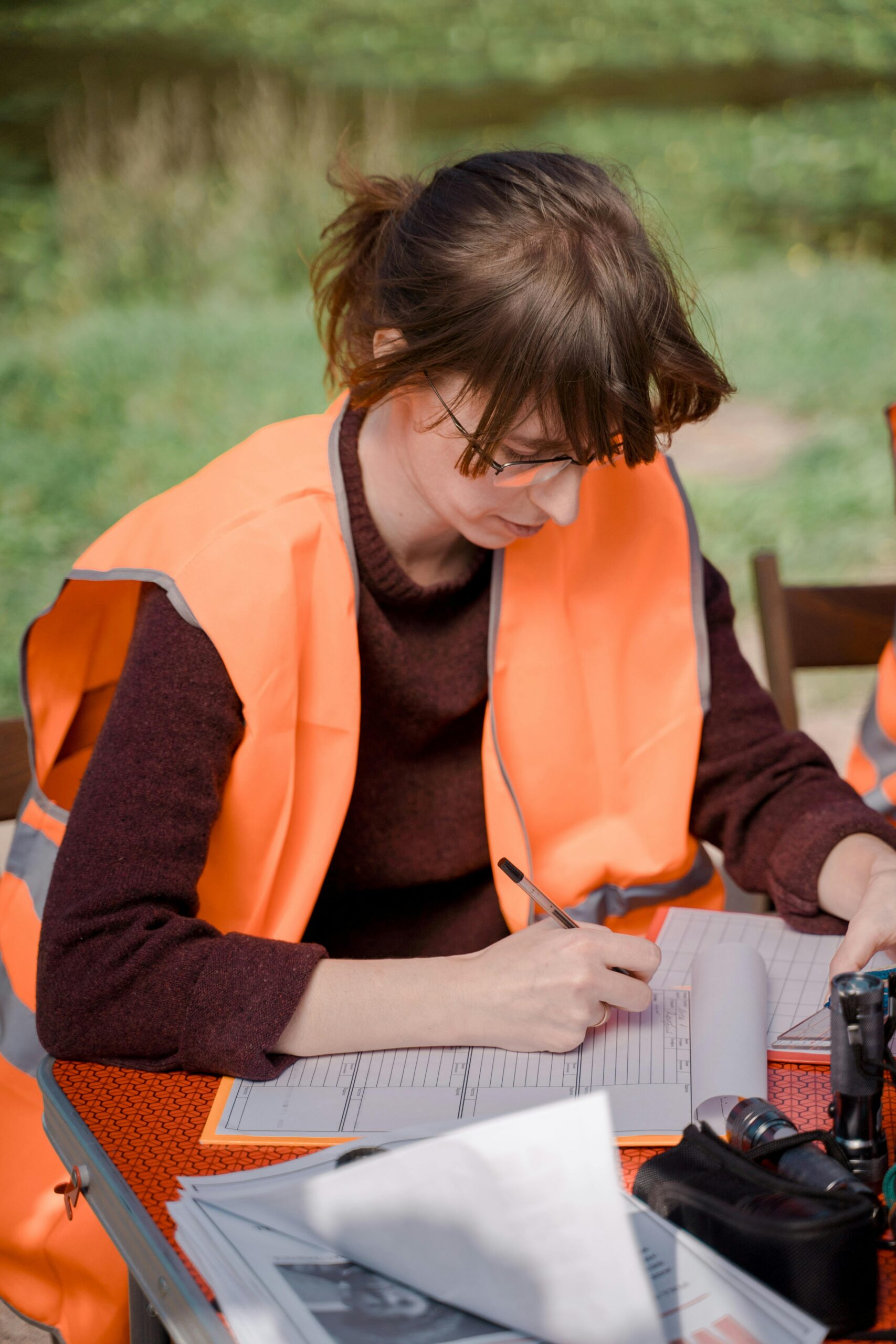
Additional support services are provided where necessary to enable all students to participate in the same way as any other person, whether they study online or on campus.
Assessment Arrangement
A variety of assessment methods are used for this qualification, including:
Your trainer/assessor will explain the assessment requirements for each unit when delivery of that unit begins. Assessment tasks can be submitted in person to your trainer/assessor during face-to-face sessions, online via the student portal, or through your workplace supervisor during placement.
Course Details
Delivery Mode
This course will be delivered in a blended format, combining online and face-to-face training.
Delivery Location
Level 10, 474 Flinders St, Melbourne VIC 3000
Course Duration
This course will be delivered over 6 Months
AQF Level - V
Duration - 6 Months
Course Fee
- Total Tuition Fees: $2500
- Total Non-Tuition Fee: $250.00
Payment Plan
- Non-refundable enrolment deposit (prior to commencement) – $250
- Placement fee - $250
Additional charges apply if students require
- Additional copies of a student’s qualification/record of results and/or statement of attainment: $50 per document applies, and $70 if express post is required.
- Printing costs may be required to complete assessments. Students may print and copy on campus for a cost of 15c per page; however, they may also use other printing facilities.
RPL Costs
- Application Fee – $250
- Charge per unit of competency – $400
- Nationally Recognised Training does not incur GST.
- Students will only be eligible to receive their qualification if fees have been paid in full and all course requirements have been met.
- *Please refer to your Student Handbook for our Fees and Refunds Policy.
Other costs (not included) to be aware of
- Please refer to the student handbook for guidance in relation to budgeting and planning.
- Notebooks/pens/laptops* or other general stationery required for students to complete their work.
Inclusions
- Unless otherwise specified, tuition fees include all training and assessment as well as required resources and textbooks necessary for students to achieve the qualification or course in which they are enrolling.
Enquire About This Course
- If you need more certainty before lodging an application, our admissions staff is available to help. We can answer questions about eligibility, study duration, blended delivery or upcoming start dates so you can assess how the Diploma of Community Services at WMIT fits your goals.
- Prepared to move ahead? Apply now to secure your slot.
Frequently Asked Questions –
Diploma of Community Services Melbourne
Everything you need to know about WMIT's diploma of community services — entry requirements, case management training, work placement, career outcomes, pathways, and fees.
1 What is the CHC52025 Diploma of Community Services (Case Management)? +
The CHC52025 Diploma of Community Services (Case Management) is a nationally recognised AQF Level 5 qualification that reflects the role of community services workers involved in the delivery, management, and coordination of person-centred services to individuals, groups, and communities. Workers at this level operate with specialised skills, work autonomously within their scope of practice, and may supervise other workers or volunteers while undertaking case management and program coordination.
At WMIT (West Melbourne Institute of Technology), this Diploma of Community Services Melbourne is CRICOS-registered under code 118796A, making it fully approved for international students studying on an Australian Student Visa. It is delivered face-to-face at WMIT's campus at Level 10, 474 Flinders St, Melbourne VIC 3000.
2 What are the entry requirements for the Diploma of Community Services at WMIT? +
WMIT's entry requirements for the CHC52025 Diploma of Community Services Melbourne are:
- Be 18 years or older at commencement
- Hold an Academic IELTS band score of 6.0 or equivalent
- Completion of Australian Year 12 or equivalent
- Basic computer skills — Microsoft Word and effective internet research ability
All students complete an LLN (Language, Literacy and Numeracy) assessment at orientation to identify the support required to help them complete the qualification successfully within the required timeframe. This course is open to students entering the community services sector for the first time as well as those with prior industry experience.
3 How long is the Diploma of Community Services at WMIT and how is it structured? +
The Diploma of Community Services Melbourne at WMIT is delivered over 104 weeks total, structured as:
- 60 weeks of course delivery, including 20 weeks of practical placement
- 24 weeks of scheduled holidays
- On-campus face-to-face training of 20 hours per week, plus approximately 10 hours of self-study and 5 hours of homework/assessment per week
Training is delivered face-to-face at Level 10, 474 Flinders St, Melbourne VIC 3000. Class sessions combine practical and theoretical components, with workplace practices and environments regularly simulated for skills-based assessment. International students must attend all scheduled classes to comply with their Student Visa attendance conditions. Learner Guides for each unit are included in course fees.
4 What jobs can I get after completing the Diploma of Community Services in Melbourne? +
Graduates of the CHC52025 Diploma of Community Services at WMIT are qualified to apply for roles across the community services sector, including:
- Case Worker or Manager — coordinating and delivering person-centred support to individuals and families
- Client Service Assessor — assessing client needs and developing appropriate service plans
- Community Services Worker — supporting individuals, groups, and communities to improve wellbeing
- Early Intervention Worker — working with individuals and families to address needs before they escalate
- Family Support Worker — providing practical and emotional support to families facing hardship
- Welfare Worker — connecting clients with services and advocating on their behalf
The community services and social assistance sector remains one of Australia's fastest-growing employment areas, making this case management course in Melbourne a strong long-term career investment.
5 What further study pathways are available after the Diploma of Community Services? +
After completing the CHC52025 Diploma of Community Services, graduates can progress to:
- Advanced Diploma of Community Sector Management — the most direct progression, building on case management and coordination skills with advanced leadership and sector management capability
- Any other relevant qualification at Advanced Diploma level in the community services or related sector
Progressing to an Advanced Diploma further strengthens your qualification profile and career trajectory within Australia's community services sector. Speak with WMIT's admissions team about current pathway options available at the Melbourne campus.
6 Does the course include case management and crisis response training? +
Yes. The CHC52025 Diploma of Community Services at WMIT includes dedicated training across 15 units (12 core + 3 electives), covering some of the most critical competencies in the community services sector:
- Facilitate and review case management (CHCCSM013) — core case management skills used across community and social services
- Recognise and respond to crisis situations (CHCCCS019) — preparing students to identify and respond appropriately to client crises
- Recognise and respond appropriately to domestic and family violence (CHCDFV001) — a core unit addressing one of the sector's most sensitive and in-demand practice areas
- Assess co-existing needs (CHCCCS004) and Develop and implement service programs (CHCCCS007) — building program coordination and client assessment skills
All units are assessed through a combination of written questions, projects, case studies, role plays, research, and reports, alongside supervised workplace observation during the placement component.
7 How much does the Diploma of Community Services cost at WMIT? +
The complete fee breakdown for the Diploma of Community Services Melbourne at WMIT is:
- Total Tuition Fee: $24,750.00
- Total Non-Tuition Fee: $250.00 (non-refundable enrolment deposit, payable before commencement)
Tuition is paid in 6–8 instalments of $2,000–$3,000 before the start of every term. Fees include all training, assessment, and required resources and textbooks. Additional costs such as document copies ($50 per document, $70 express post) and printing (15c/page on campus) may also apply. For RPL applicants: Application Fee $250 plus $400 per unit of competency. Nationally Recognised Training does not incur GST. Please refer to the WMIT Student Handbook for the full Fees and Refunds Policy.
8 Is the WMIT Diploma of Community Services suitable for international students? +
Yes. The Diploma of Community Services at WMIT is fully CRICOS-registered (Code: 118796A), approved for international students studying on an Australian Student Visa. WMIT (RTO 45639 · CRICOS 03874C) provides comprehensive support throughout the 104-week course, including:
- LLN assessment and Individual Support Plan at orientation
- Mentoring from trainers with community services industry experience
- Additional classes, tutorials, and workshops
- Computer and technology support
- Coordination of work placement in approved Melbourne community services organisations
- Referral to external support services
To enquire or apply, email info@wmit.edu.au, call +61 3 9131 8789, or apply directly at admissions.wmit.edu.au.
9 How much work placement does this course include? +
The training package requires candidates to complete a minimum of 200 hours of work placement in a regulated Community Services Organisation. WMIT goes beyond this minimum, organising up to 400 hours of placement for its students — giving graduates significantly more practical, real-world experience than the industry baseline.
Placement can only be conducted in a Community Services Organisation that has entered into a formal work placement agreement with WMIT. Students complete placement assessment tasks via a vocational logbook, are supervised by a workplace supervisor, and receive regular visits from a WMIT trainer/assessor throughout the placement period.
10 Does WMIT offer credit transfer or RPL for the Diploma of Community Services? +
Yes. WMIT offers both Course Credit and Recognition of Prior Learning (RPL) for the CHC52025 Diploma of Community Services.
- Course Credit — WMIT can grant credit for units of competency already completed with another RTO or authorised issuing organisation, where equivalence can be established. There is no charge to apply for Credit.
- RPL — for skills and knowledge gained through work and life experience. Assessed at $400 per unit of competency, plus a $250 application fee. Applications should ideally be submitted at enrolment but may be lodged up to 2 weeks into the course.
If Credit or RPL is granted, course duration will be adjusted and confirmed in writing. A WMIT trainer/assessor will guide you through the process. Please refer to the WMIT Student Handbook for full policy details.
Build Your Career in Community & Aged Care Services at WMIT
Certificate IV in Ageing Support Melbourne
A strong entry point into aged care before progressing to case management-level study. Build foundational skills in dementia care, palliative support, and person-centred aged services across Melbourne.
View Certificate IV →Explore All Courses at West Melbourne Institute of Technology
Browse WMIT's full range of CRICOS-approved courses for international students in Melbourne — community services, aged care, early childhood, construction, leadership, and more. RTO 45639 · CRICOS 03874C.
View All Courses →